Tantra is frequently described through stereotypes. Some people see it as a massage technique, while others treat it as a mysterious method for improving relationships. Neither description captures the full meaning of the term.
Tantra refers to diverse historical traditions as well as a range of modern practices. Understanding the difference between them helps beginners choose courses, books and practitioners more carefully.
Historical Traditions and Modern Interpretations
Historical tantric traditions developed in South Asia and appeared within different religious and philosophical systems. Their practices could involve ritual, meditation, symbolism, visualisation and approaches to spiritual experience.
Modern Western or neo-tantric practices often focus more heavily on relationships, body awareness, intimacy and personal development. These modern approaches may draw inspiration from earlier traditions, but they should not automatically be treated as identical to them.
When evaluating a course, ask whether it teaches historical philosophy, meditation, couples communication, bodywork or massage. A clear provider should be able to explain the distinction.
The Importance of Attention
Many contemporary tantric exercises encourage participants to slow down and notice what is happening in the present moment. This may involve observing the breath, recognising physical sensations or identifying an emotional response without immediately trying to change it.
In a relationship, this approach can shift attention away from performance. Partners can instead focus on communication, curiosity and the quality of their shared experience.
Working With Breath
Breathing exercises are commonly included in meditation and modern tantric workshops. Beginners do not need an intense or complicated technique. Simply observing a natural breath for several minutes can be a useful starting point.
Breathing should never be forced. If an exercise causes dizziness, distress or physical discomfort, stop and return to normal breathing.
Consent Is Not Optional
Any responsible practice involving intimate subjects or physical contact must be based on voluntary, informed and ongoing consent.
Participants need to know what an exercise involves before it begins. They must remain free to refuse, modify or stop it. Agreement to one activity does not imply permission for another, and previous consent may be withdrawn.
Teachers and practitioners should accept these decisions without persuasion, guilt or pressure.
Tantra and Professional Massage
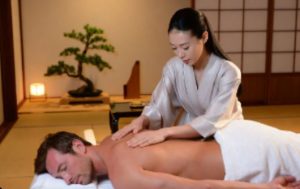
Tantric massage is one possible way to experience conscious touch in a professional setting. However, session formats and boundaries can differ substantially.
Before booking, read the full description and ask direct questions about the procedure. Listings of tantric massage practitioners can provide a starting point for comparing available options.
Tantra should not be presented as an instant solution to every personal or relationship difficulty. Studied responsibly, however, it can offer useful perspectives on awareness, communication and the way people relate to their own bodies.
Komentáře
Zatím žádné komentáře.